01 — Context
ACSA operated with a basic Google Sites presence that lacked structure, clarity and content management capabilities. Information was duplicated, disorganized and difficult to update without external technical support.
The platform did not reflect the operational maturity of the company nor support future growth.
02 — Problem
Three core issues were identified:
- No defined information architecture
- No internal content management system
- Dependency on third parties for content updates
This created operational friction and limited scalability.
03 — Objective
Design and implement a structured digital platform that:
- Reorganized services and product catalog under a coherent architecture
- Introduced a scalable data model
- Enabled full internal content management autonomy
The goal was not only visual improvement, but operational restructuring.
04 — System Design
The solution was built around a modular architecture:
- Structured data model for services and products
- Clear separation between commercial content and catalog data
- Dedicated administrative dashboard for content management
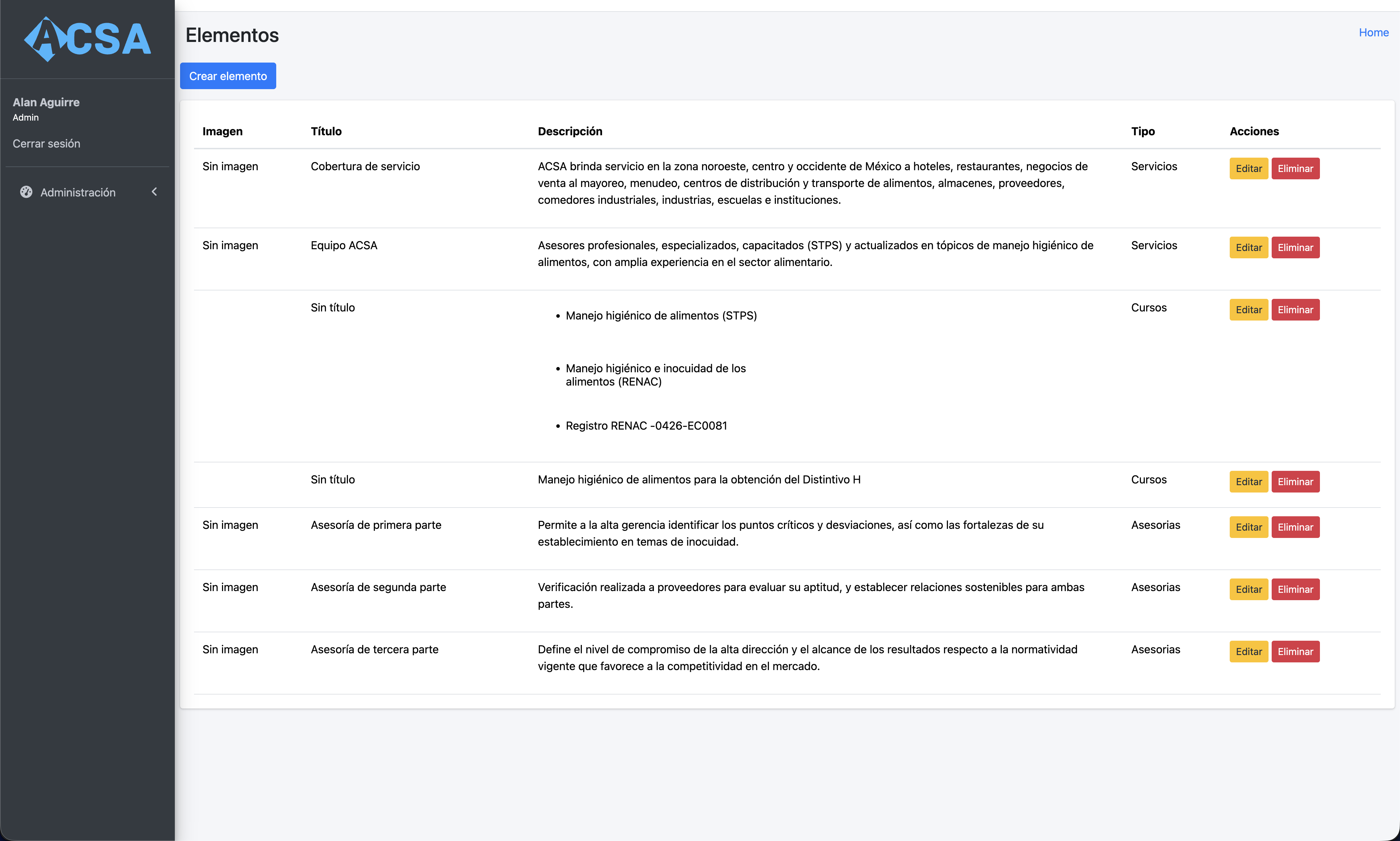
The backend logic was designed to ensure non-technical users could manage content without relying on external developers.
05 — Implementation
The platform was developed using Laravel with a custom data structure tailored to business needs.
Key considerations included:
- Flexible content modules
- Structured validation rules
- Clear role separation
- Long-term maintainability
The system prioritized clarity and autonomy over decorative interface elements.
06 — Outcome
- Eliminated dependency on external technical support
- Standardized information structure
- Improved clarity of service presentation
- Established a scalable digital foundation
The result was a structured, self-managed platform aligned with operational needs rather than a static marketing website.